Autumn Fun
Autumn Conker Hunt: A Seasonal Family Guide
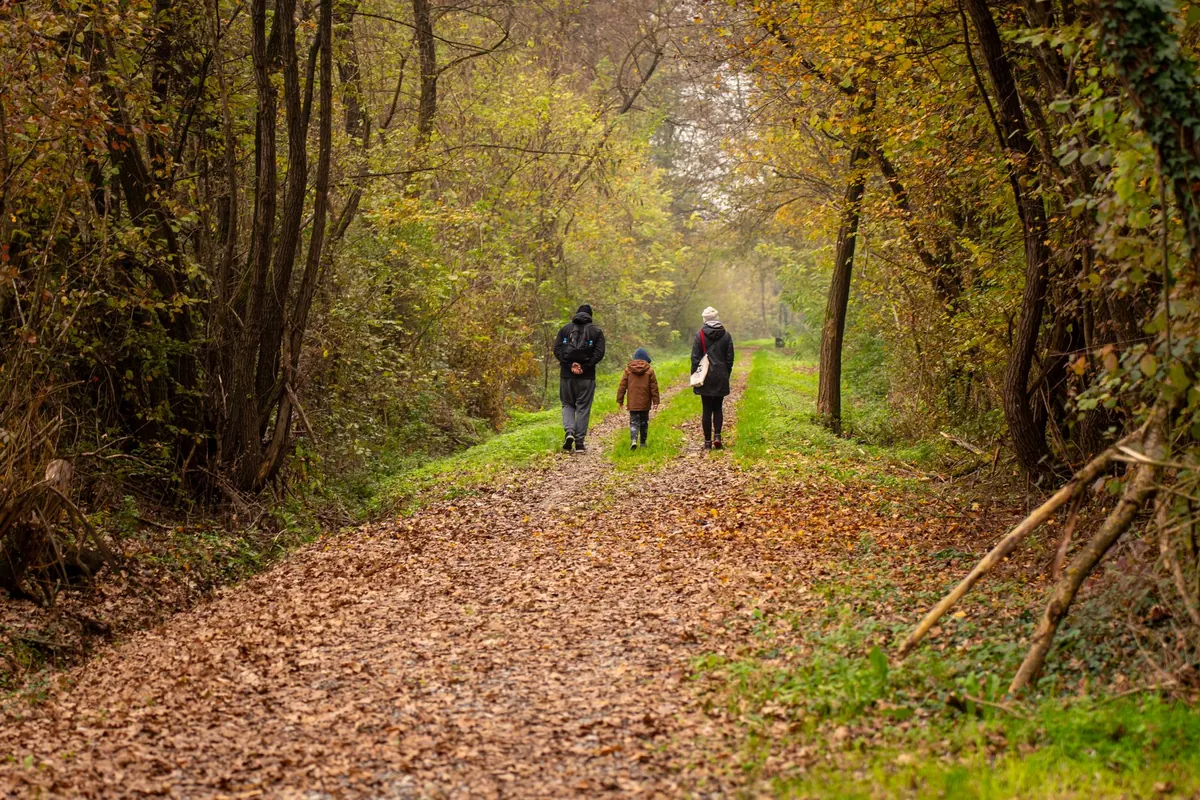
There is a particular sound to a conker hunt: the dry crack of a husk splitting open, the soft thud of a glossy nut landing in wet grass, and a shout from three trees away. Horse chestnuts drop for only a few weeks each year, and an afternoon spent gathering them is one of the most reliable family outings autumn offers. No booking, no entrance fee, no schedule. Everyone comes home with full pockets and muddy knees.
Here is how to time it, where to go, and what to do with the haul once you get back.
When the Conkers Fall
In most of Britain the first cases split open in mid-September, with the heaviest falls running through late September and the first half of October. Your window at any one tree is roughly two to three weeks. After that the nuts lose their shine, dry out, and everyone else has been there first.
A windy night brings down far more than a still one, so a blustery evening followed by a bright morning is the ideal combination. Early beats late, too: the first conkers to fall tend to be the biggest and firmest, and by nine on a Saturday the best spots in a popular park are picked over. If the ground under a promising tree is still covered in unopened green husks, leave it a few days and come back.
Weather matters in smaller ways as well. After a dry spell the husks stay shut and cling on, so a wet, windy night does the work for you — the rain softens the casing and the wind knocks it loose. It is worth checking the same tree twice in one week. A Saturday haul of three or four conkers can become a carrier bag full by Wednesday, and it is usually the second and third drops that produce the biggest nuts of the year.
Where to Look
Finding the Right Tree
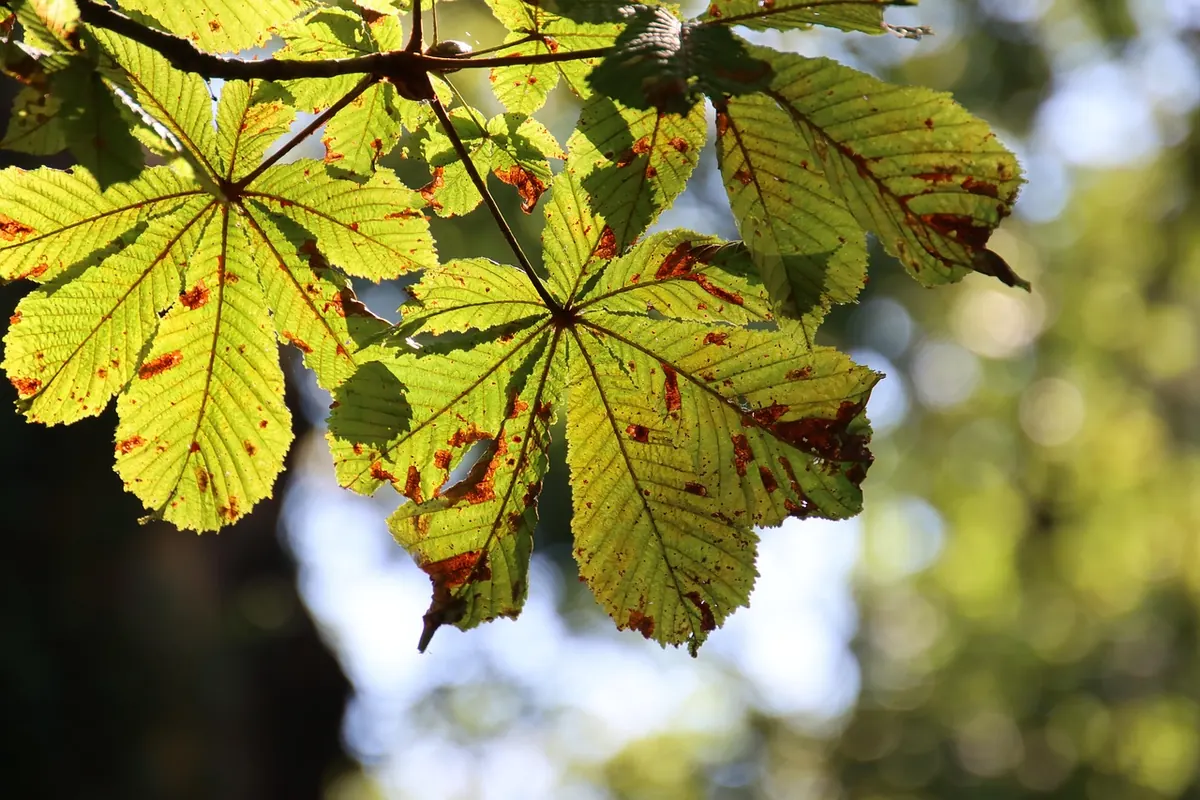
A horse chestnut is easy to spot once you know it. The leaves are palmate — five to seven leaflets spreading from one stem like an open hand — and in May the trees carry upright white or pink flower spikes that look like candles. By autumn the leaves turn brown and tatty earlier than most, so scan for the tree that already looks tired while everything around it is still green. Beneath it you will find the husks: green at first, then leathery brown, split into three and showing a mahogany nut with a pale patch.
Don't confuse it with the sweet chestnut, whose case is viciously spiky and holds two or three small nuts. Those are the edible ones, ripe in October. Horse chestnuts are not.
Places Worth Trying
- Parks with mature avenues of trees, especially Victorian ones
- Churchyards and cemeteries — often full of old trees, but check opening hours and be respectful
- Town greens, playing fields and the edges of school grounds
- Canal towpaths, old railway paths and country parks
- Country estates with public footpaths and permissive access
Collect fallen conkers only. Never pull down branches — horse chestnut wood is brittle and snaps easily — and don't climb to shake a tree. Stay on public ground and out of private gardens. A modest bag for personal use is generally fine in a public park, but rules differ between councils and landowners, so read the signs and follow them. Taking bucketfuls to sell is a different matter, and usually not allowed.
What to Take With You
Half an hour of preparation turns a good walk into a great one. A few things are genuinely worth packing:
- A bag each. Cloth or canvas bags breathe and won't split when wet, unlike thin supermarket carriers. Children collect far more enthusiastically when they have their own bag to fill.
- Gloves. Husks are not spiky like sweet chestnuts, but the sap stains fingers brown and the sharp edges of a split case can sting.
- Wellies or old trainers. Conkers sit under wet leaves, and the ground beneath a horse chestnut is usually soft.
- A stick or a long-handled grabber. Handy for fishing nuts out from under hedges and brambles without crawling in.
- Snacks and a drink. Conker hunts always take longer than planned, because they should.
- A phone with a torch for late-afternoon shade under dense trees, and for photographing the best finds before they go in the bag.
Dress for the weather but plan for mess. Children will kneel in leaf litter, sit on wet benches and fill their pockets with grit. A spare set of clothes in the car boot is the difference between a happy drive home and a miserable one.
What to Do With the Haul
Sorting and Storing
Spread the conkers out on newspaper when you get home and let them dry overnight. Damp conkers go mouldy fast, and one furry nut can spoil a whole bag. Sort them into three piles: the big round ones for playing, the small hard ones for threading and crafts, and the bruised or soft ones for the compost or the garden waste bin.
Stored cool and dry in a paper bag or open box, good conkers will keep for months. A sealed jar or plastic tub is a mistake — condensation builds up and the whole lot turns grey.
Games, Beyond the Obvious
Everyone knows the traditional game: thread a conker on a shoelace, take turns swinging at your opponent's, and keep score — a conker that beats one other is a "oner", one that beats two is a "twoer", and a legendary "sixer" is a schoolyard trophy. But there is plenty more to do with a bagful:
- Conker caterpillars. Thread conkers onto a length of string with a blunt needle to make a wriggly creature for younger children to drag along the floor.
- Counting races. For pre-schoolers, a simple challenge to find ten conkers, or five of a certain size, keeps a slow walk interesting.
- Conker skittles. Line up plastic bottles on the patio and roll conkers into them.
- Painted conkers. A dab of poster paint and a marker pen turn them into beetles, spiders and snowmen.
- Planting. Bury a few in a damp corner of the garden and see if you get a sapling next spring — most won't take, but the ones that do are a long-term project.
Cheats never prosper, but it must be said that a conker quietly soaked in vinegar for a week has an unusual number of friends.
Vinegar soaks, oven baking and nail varnish are all traditional hardening tricks, and all of them are usually banned by playground rules. Agree the rules before the first match, not after the first loss.
A Word on Safety
Horse chestnuts are not edible. They contain saponins, which make them bitter and mildly toxic to people and dogs, so keep them away from mouths, pets and the kitchen table. Wash hands after handling them, particularly before eating. If you want roasting chestnuts, buy sweet chestnuts — the ones in the viciously spiky cases — and never guess from the shape of the nut alone.
A few other sensible habits: watch for traffic when children are darting between trees, keep conker matches away from faces and eyes, and never pull dead wood from a tree or lean on a rotten branch. Leave a good handful of conkers on the ground when you go. Squirrels, jays and deer all make use of them, and a few of the ones you leave behind are next decade's horse chestnuts.
A Short Season, Worth Marking
The conker season is over almost as soon as you notice it has started. Two or three weekends, a handful of parks, and then the ground is bare and the leaves are down. That brevity is the point. It costs nothing, it suits any age, and it ends with a bag of glossy brown nuts on the kitchen table and a child explaining exactly why the one in their pocket is a sixer.
So watch for the first split husks, pick a blowy morning, and go. Take a bag each, leave the branches alone, and come home with muddy knees and full pockets.
Photo: Vladimir Srajber / Pexels