Foraging
Conker Foraging Checklist: What to Bring and Where to Search
A good conker hunt is usually won before you leave the house. Turn up empty-handed on the right street at the wrong moment and you will watch a dozen glossy beauties disappear into someone else's supermarket bag. Turn up with gloves, a decent container and a rough idea of which trees are dropping, and half an hour is normally plenty. What follows is a checklist you can print, fold into a coat pocket and work through from front door to front door.
Know the Tree Before You Fill the Bag
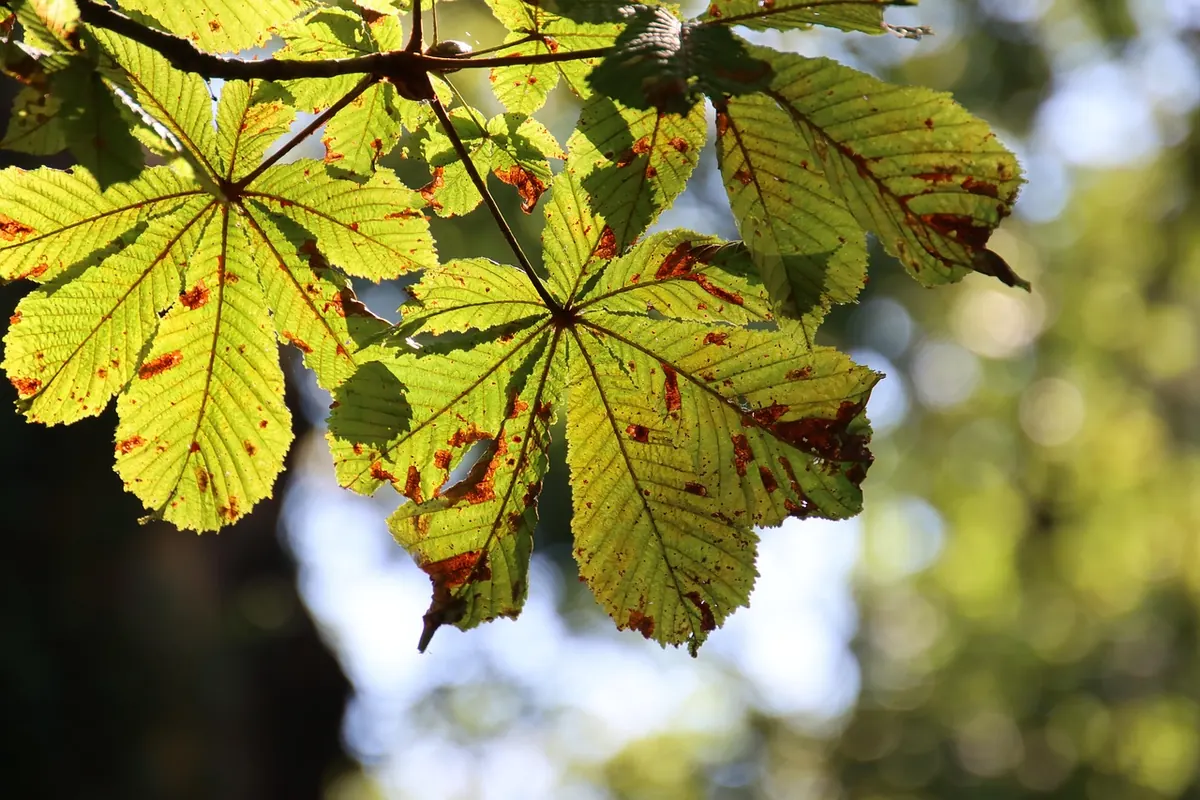
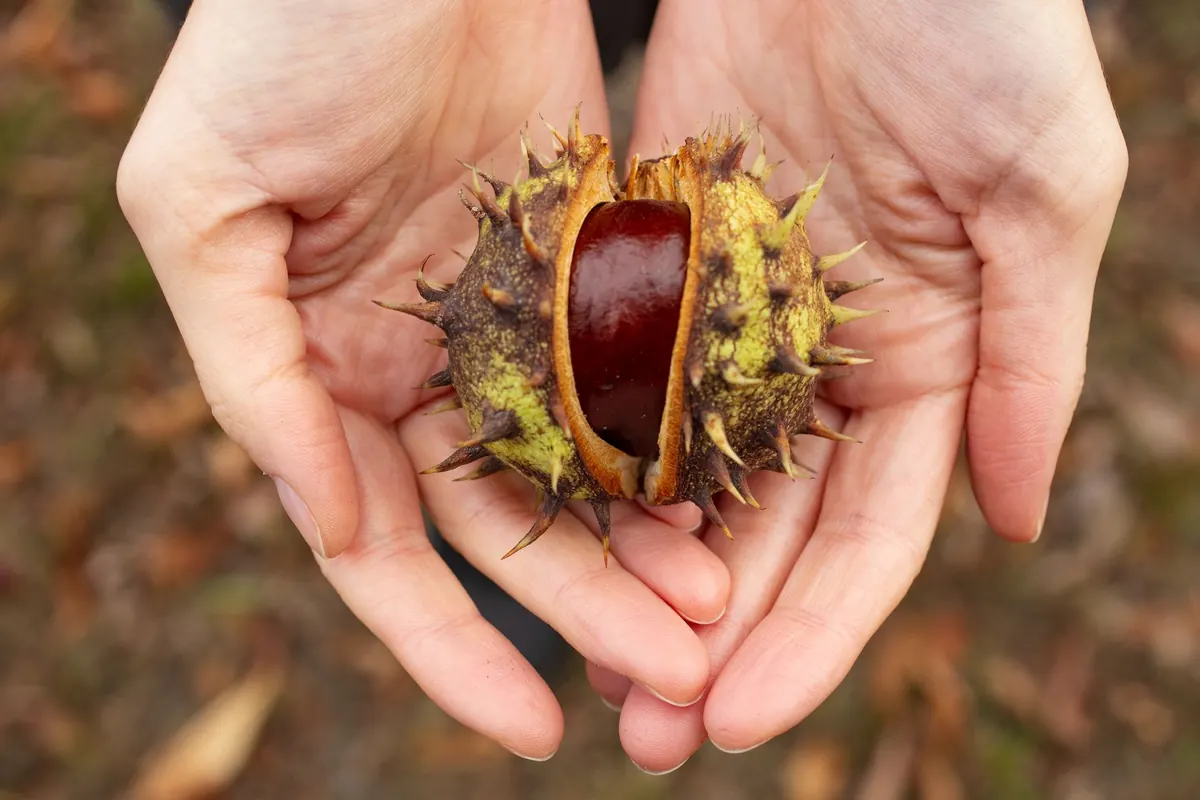
Horse chestnut is the tree you want. Its leaves are palmate, five to seven leaflets spreading from one stem like fingers from a palm, and the seeds sit inside a thick green husk covered in short, blunt spikes. Crack one open and you get the familiar smooth, dark brown conker with a pale scar where it was attached.
Sweet chestnut is a different tree altogether, and its husks are dense, needle-sharp and usually hold two or three smaller nuts. Those nuts are edible; conkers are not. If you are foraging for food rather than for play, this is the point at which you stop and ask someone experienced, because the two are easy to confuse at a glance.
Horse chestnuts are common in Victorian parkland, along old avenues, in churchyards, on village greens and in the grounds of schools and hospitals. Once you spot one mature tree, look around. They were very often planted in rows, and where there is one there are usually several.
The Kit List
- A bucket or a canvas bag. Conkers sweat in a plastic carrier, and the handles cut into your fingers once it gets heavy.
- Gardening gloves. Spiked husks are unpleasant, and the nitrile-coated sort give you grip on wet ones.
- Sturdy boots or trainers you do not mind ruining. Wet leaves and mud are a given.
- Long trousers and sleeves. Brambles, nettles and ticks all live where the good trees are.
- A waterproof jacket. Conker season and drizzle are old friends.
- A folded bin bag. Sit on it, kneel on it, or use it to carry husks home for the compost.
- A walking pole or stout stick. For parting long grass, not for hitting branches.
- Hand wipes or gel. You will be handling soil and husk sap.
- A small torch. Late-afternoon hunts in October get dark quickly.
- A second small bag or tub for your best finds, so they do not get bruised by the rest.
- Water and a snack. It always takes longer than you think.
Leave these at home
Ladders, hooks, saws and anything else designed to reach into the canopy. A conker pulled from the tree is not worth a broken branch or a broken wrist. Everything you need is already on the ground.
Where to Search
Start with the obvious: the broad grassy strip beneath a mature horse chestnut, worked methodically. Then widen out.
- The drip line, not the trunk. Husks fall where the branches spread, so walk out to the edge of the canopy and work back in.
- Gutters, kerbs and drain grates on tree-lined residential streets, where conkers roll and collect.
- Grass margins beside footpaths in parks and on town commons.
- Churchyards and cemetery edges, quietly and respectfully, and never during a service or burial.
- School and hospital grounds only where public access is genuinely allowed.
- Towpaths and old railway cuttings, which often carry long runs of mature trees.
Timing matters as much as location. In most of the country the husks begin splitting from mid-September, and the first proper gale of October clears a tree in a single night. A dry, breezy morning after a windy night is the best hour you will get all year. Check local rules before you go: many councils and larger estates ask visitors to take only a handful, and on private land you should always ask first.
Reading the Ground
You rarely see a conker before you see the evidence. Torn husk fragments and half-shells scattered across grass mean a tree has started dropping. Look on the sunny side first, since those husks dry and split earliest. Check the strip where mown grass meets longer growth, the edges of flowerbeds, and anywhere leaves have gathered against a wall or fence. Conkers roll, so follow the slope.
If husks are still green and closed, the tree is not ready. Come back in a few days rather than prising them open.
Picking Rules and Good Manners
Take only what has already fallen. No shaking, no climbing, no snapping off low branches. Leave the small, soft and damaged ones where they are, and leave plenty behind besides: squirrels, deer and next weekend's children all rely on the same crop. Keep off flowerbeds, shut gates behind you, and if someone's front garden is the best spot in the street, knock and ask.
Sorting and Storing at Home
Spread the haul on newspaper and go through it. You want conkers that feel heavy for their size, with a firm, glossy shell and no give when you press them. Reject anything soft, cracked, mouldy, or pierced with a small round hole, which means something has already been living inside and the conker will go light and crumbly within weeks.
Rinse the mud off, dry them properly, and store them in a shoebox or cardboard tray somewhere cool and airy. They will lighten in colour as they dry, which is normal. Keep them out of reach of dogs and small children, and be cautious with the old tricks of baking or vinegar-soaking to harden them: both can split the shell, and a tray of conkers in a hot oven is a genuine fire risk if you forget about it.
Safety Points Worth Repeating
Conkers are not edible, for people or for pets, and treating them with vinegar or anything else does not change that. Wash your hands after handling them, keep them away from anyone likely to put them in their mouth, and if you think a person or an animal has swallowed one, get advice from a health professional or a vet rather than waiting to see what happens.
Beyond that, the hazards are ordinary ones: traffic on residential streets, wet roots and hidden kerbs, low branches at eye level, and ticks in long grass. Wear long trousers, check yourself over afterwards, and carry a torch if you are heading out late.
Your Five-Minute Pre-Departure Check
- Check the weather and the wind direction; a breezy morning beats a still afternoon.
- Confirm your spot and check any local collection rules.
- Pack the bag: bucket, gloves, boots, waterproof, bin bag, wipes, torch, water.
- Tell someone roughly where you are going and when you expect to be back.
- Pick from the ground only, work the drip line, and leave more than you take.
- Sort, wash and store the same day, and compost the husks and rejects.
Do that once or twice a season and you will build a decent stock of hard, dark conkers without ever feeling like you have raided the place. The best hunts are unhurried ones, so take a flask, take your time, and enjoy the walk even if the trees have already been picked over.